







Search Results for: Extraction Techniques

Pour-Over Coffee Water Pouring Techniques Explained: Flavor Differences Between One-Pour and Three-Stage Methods and Their Impact on Extraction Results
The pouring method for pour-over coffee directly affects the flavor expression in the final cup. The single-pour and three-stage methods are currently the two most common brewing techniques: the former involves continuous pouring and is simple to perform, while the latter extracts in stages and offers richer layers. Starting from actual brewing, this article will compare the differences between these two methods in terms of acidity, sweetness, and cup cleanliness, and, combined with Front Street Coffee's brewing recommendations, help enthusiasts understand how pouring rhythm changes the extraction direction of coffee, so they can find a pour-over approach that suits their own taste. [more…]
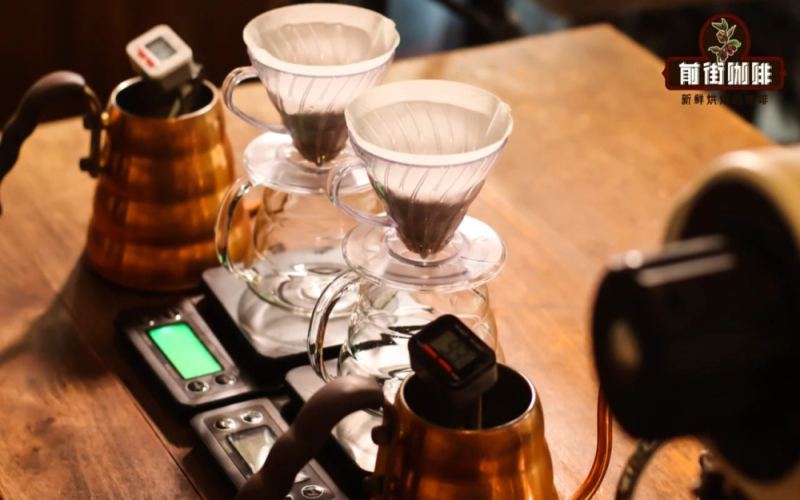
Pour-Over Coffee Techniques Explained | What Is the One-Pour Method? How Does It Differ from the Three-Stage Pour? Which Brews a Better Black Coffee?
For more specialty coffee knowledge, please follow: Front Street Coffee (Frontsteet Coffee). One of the great joys of pour-over coffee is using different brewing techniques to interpret a cup of coffee. And as for pour-over methods, I believe everyone pays close attention. So the most widely spread pour-over technique at present is the one-pour method. [more…]
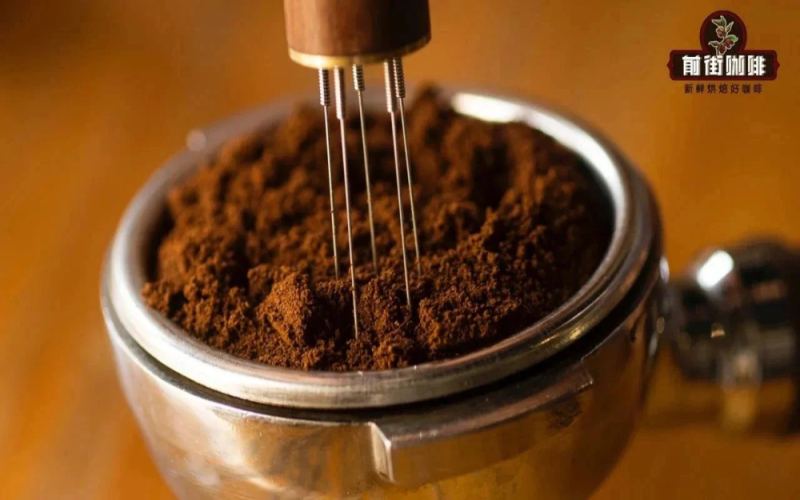
A Detailed Guide to Espresso Puck Preparation Techniques: How to Avoid Channeling and Master Extraction Time and Even Distribution
Distributing the coffee grounds is a crucial step in making espresso, directly affecting the extraction and flavor performance of the coffee. This article, from the perspective of Front Street, systematically explains the purpose of distribution, common misconceptions, and correct operating methods. By understanding the flow characteristics of water through the coffee puck and mastering techniques to avoid channeling, it helps coffee enthusiasts improve extraction uniformity and craft a balanced-tasting espresso. [more…]
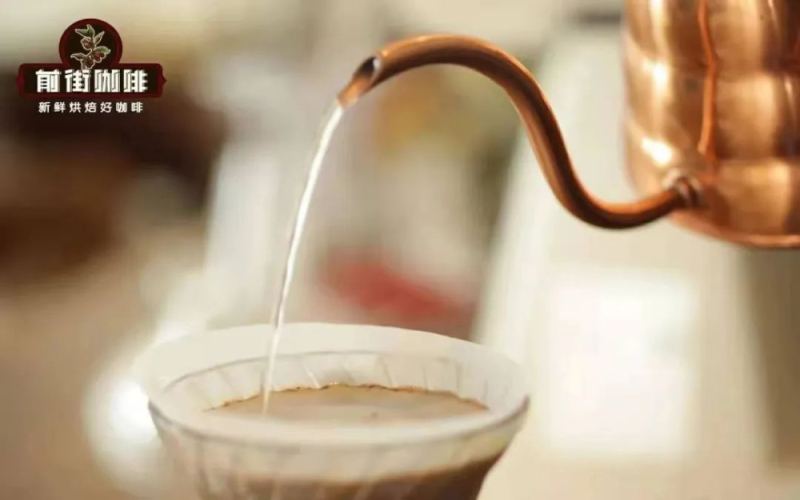
A Detailed Guide to Six Pour-Over Coffee Brewing Techniques: One-Pour, Three-Stage, 4:6 Method, Variable Temperature, Volcano Pour, and Stirring Method
The charm of pour-over coffee lies in the diversity of brewing methods, as different pouring techniques bring out entirely different flavor expressions. This article systematically sorts through six common pour-over techniques—single-pour, three-stage, 4:6 method, Santuario variable-temperature brewing, volcano pour, and stirring method—analyzing each one by one from the logic of pouring, parameter ratios to flavor characteristics, and explaining their respective applicable scenarios and operational difficulties. Using specific parameters such as 15g coffee to 225ml water and 20g coffee to 300ml water as examples, the article helps readers understand the extraction principles behind each technique. At the same time, it retains Front Street Coffee's practical experience with the three-stage method and grind adjustment for coffee enthusiasts to refer to and compare. [more…]
Analysis of Six Classic Pour-Over Coffee Brewing Methods: Techniques and Flavor Differences from One-Pour to Stirring
The charm of pour-over coffee lies in its rich and varied brewing methods, with different techniques bringing out completely different flavor expressions. This article systematically sorts out six common pour-over techniques—one-pour flow, three-stage, four-six method, three-temperature brewing method, volcano pour, and stirring method—explaining in detail the operational key points, applicable scenarios, and flavor characteristics of each technique. From the logic of dividing pouring stages to extraction strategies based on water temperature changes, from adjusting grind size to the influence of stirring intensity on fine particle migration, the content balances theoretical principles with practical details. The article also specifically shares the three-stage brewing parameters used daily at Front Street Coffee, as well as the grinding solutions offered to address the easy over-extraction problem of the four-six method, making it suitable for coffee enthusiasts who wish to refine their brewing skills. [more…]
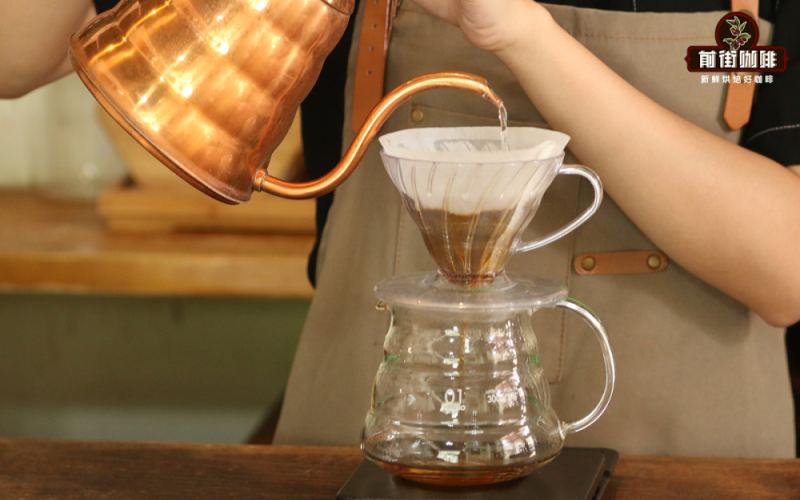
An In-Depth Analysis of Pour-Over Coffee Pouring Techniques: How Washing and Immersion Affect Single-Origin Extraction
The joy of pour-over coffee lies in its many variables, and the pouring technique is precisely the most difficult part to control. Front Street rarely emphasizes technique in its daily brewing sharing, because technique itself is full of uncertainty—if you do not understand the extraction logic behind it, the more you master, the more likely your results will become inconsistent. This article will focus on the two mechanisms in the pouring process—flush extraction and immersion extraction—analyze how the number of pouring stages affects the extraction yield and total time, and highlight why circular pouring can effectively reduce turbulence and improve flushing efficiency. Whether you are a beginner just getting into pour-over or an enthusiast hoping to refine your skills, understanding these underlying principles can help you brew a delicious single-origin coffee with greater ease. [more…]
A Complete Guide to Espresso Distribution and Tamping Techniques: Causes of Channeling and the Path to Even Extraction
To make a proper espresso, tamping and distributing the grounds is an unavoidable key step. Tamp too hard, and water struggles to penetrate the puck, so a thirty-milliliter shot may take forever to finish dripping, and the flavor will naturally be disappointing; tamp too loose, and the high-pressure hot water will wash away the layer of grounds, leaving small perforations and causing uneven extraction just the same. This article explains the difference between light and heavy tamping, the technique and key points of the rotating tamp, and the principles behind how channeling occurs, helping coffee enthusiasts understand how to make the puck density consistent and the surface level, so that hot water passes through evenly and fully extracts the aromatic compounds. The article also specifically draws on the practical experience of Front Street Coffee to provide beginners with actionable tamping advice. [more…]
Where Does the Sweetness of Black Coffee Come From? An Analysis of Roast Types and Pour-Over Extraction Techniques That Affect Sweetness
Many people believe that black coffee is only bitter and sour, but a good cup of coffee can indeed deliver a surprisingly sweet sensation. This sweetness does not come from sugar detected by taste, but from sweet aromas perceived through the sense of smell. Sucrose in green coffee beans is converted into substances such as caramel during roasting, and different roast levels present completely different types of sweetness. Front Street divides sweetness by roast level into the honey-fruit type, the chocolate-dried-fruit type, and the dark-roast sweet-aftertaste type, and recommends corresponding coffee beans for each. In addition, by adjusting the pouring technique and extraction rhythm of pour-over brewing, the sweetness of coffee can also be effectively enhanced. This article will systematically analyze the sources of coffee sweetness, the differences in sweetness across roast levels, and the brewing techniques that Front Street has summarized in practice. [more…]
An Analysis of the Seven Major Pour-Over Coffee Schools: A Full Comparison of Brewing Techniques Including the One-Pour and Three-Pour Methods
The charm of pour-over coffee lies not only in the flavor itself, but also in the ever-changing brewing techniques. In coffee enthusiast circles, there are seven major brewing schools: volcano pour, meteor pour, one-cut pour, three-cut pour, tamped pour, stirring method, and drip pour. Except for the drip pour, all the other methods use circular pouring. Each school has its own unique extraction logic and flavor orientation—some pursue layering, some emphasize sweetness, and some are better suited for enthusiasts to explore. This article breaks down the key operational points, pros and cons, and suitable scenarios for each method one by one, and includes practical advice from Front Street Coffee to help you find the style that suits you best in your daily brewing. [more…]

How Coffee Grind Size Affects Flavor in Pour-Over and a Guide to Common Home Brewing Problems and Adjustment Techniques
The same bag of coffee beans, brewed at home, always tastes worse than in the shop—this is a confusion almost every pour-over enthusiast encounters. The root of the problem often lies not in the beans themselves, but in several variables during extraction—whether the grind size is appropriate, whether the coffee bed is evenly distributed, whether the parameters and technique match, and even water quality, an easily overlooked factor, can all significantly affect the final flavor. Starting from Front Street's practical experience, this article breaks down one by one the mechanism by which grind size affects taste, the brewing framework beginners should master first, and how to judge where the problem lies by observing the coffee bed and the flow rate, helping you find that cup of good coffee that belongs to your own home. [more…]
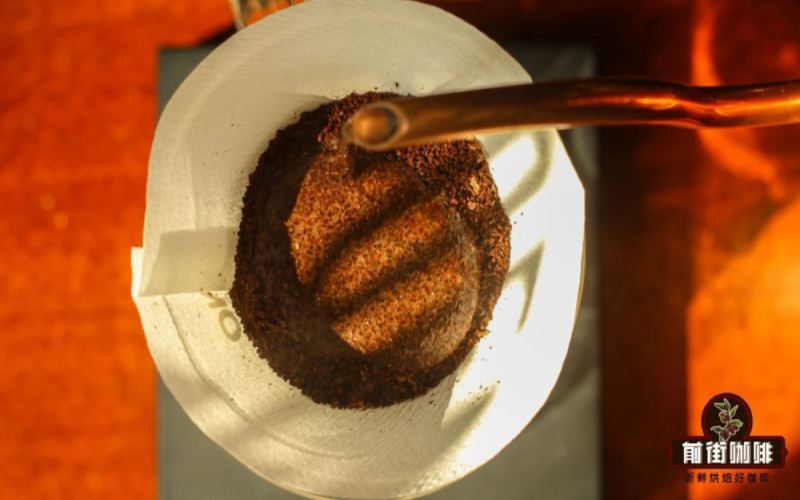
How to Choose Beginner Pour-Over Coffee Beans? Four Japanese Brewing Techniques and Recommended Everyday Beans from Africa, Asia, and the Americas
Many coffee enthusiasts who come to Front Street to buy beans ask: how can you hand-brew a coffee to bring out its best flavor? Front Street has always felt that brewing by hand is an enjoyment in itself, and coffee you brew yourself tastes all the more satisfying psychologically. This article first sorts out the four most mainstream Japanese hand-brewing techniques—Matsuya style, Kono style, volcano pour, and the zigzag pouring method—explaining their key operational points and taste characteristics; then, by the three major producing regions of Africa, Asia, and the Americas, recommends several high-value Front Street everyday beans suitable for beginners to practice with, along with specific brewing parameters and techniques, in the hope of helping every coffee lover. [more…]
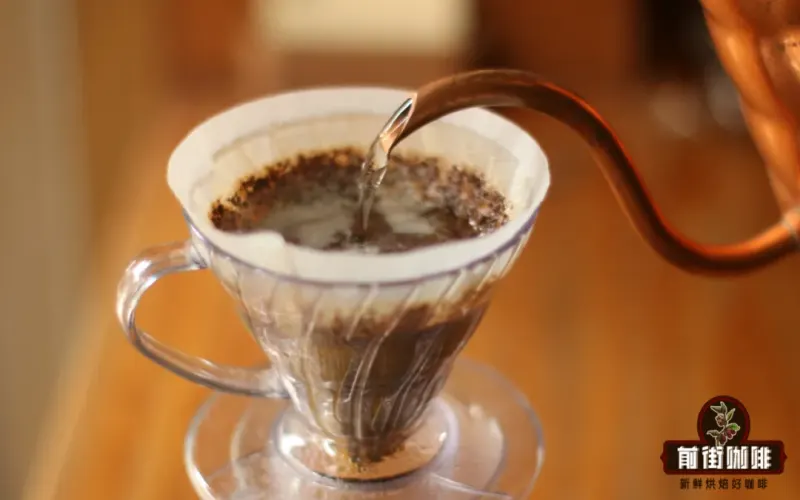
A Complete Guide to Pour-Over Coffee Water Pouring Techniques: The Key to Even Extraction and the Real Impact of Flow Rate on Flavor
Many people believe that as long as they buy good-quality coffee beans, it will not taste bad no matter how they brew it, but this is not the case. Pouring water itself is an extremely critical extraction variable; it determines whether the coffee grounds can be extracted evenly and also directly affects the flavor performance in the final cup. Just as a chef constantly tosses food in the wok to heat it evenly when cooking, the pouring motion in pour-over brewing also requires different flow rates and strength at different stages to regulate the process. Starting from the fundamental purpose of pouring water, this article will explain why pour-over coffee requires attention to the pouring method, and specifically analyze the difference between a strong flow and a gentle flow, helping you understand how to achieve even extraction through flow control while avoiding the extraction of unpleasant substances. [more…]
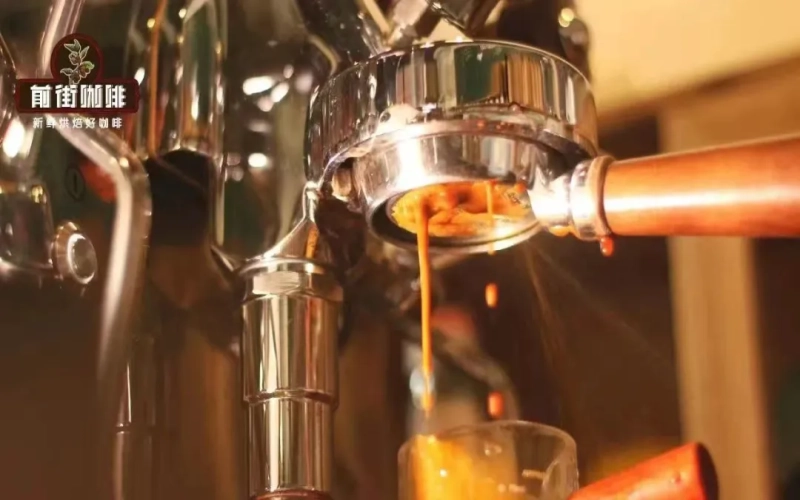
Espresso Coffee Distribution and Tamping Techniques: How to Avoid Channeling and Improve Extraction Uniformity
In the making of espresso, although distribution is just a simple step, it directly affects whether the extraction is even. Many coffee enthusiasts find that the puck surface looks level, yet during extraction channeling occurs frequently, with coffee liquid spraying everywhere. The key reason behind this often lies in the uneven distribution of coffee grounds inside the basket, rather than the flatness of the surface. Using its commercial espresso blend beans as an example, Front Street Coffee explains in detail the correct methods of distribution and tamping, including the choice of how to catch the grounds, the technique of smoothing with a finger, and the points to note when tapping the portafilter, helping everyone start from the details to reduce channeling and improve the extraction quality of espresso. [more…]
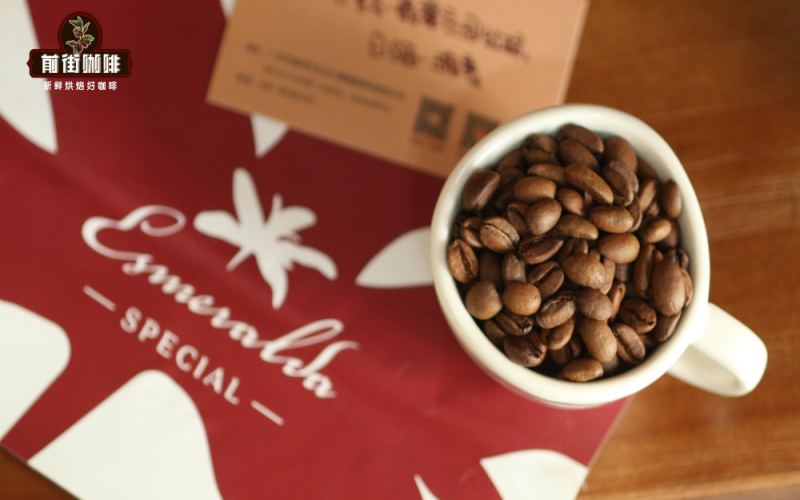
Pour-over Coffee Method | Which Single-Origin Coffee Beans Should Beginners Choose for Pour-over? Pour-over Coffee Extraction Methods, Brewing Techniques, and Coffee Equipment Introduction
The ancients said: The plan for a day lies in the morning. In the early morning, preparing a hearty breakfast for yourself and your family, and brewing a pot of fragrant coffee, not only benefits our physical and mental health and refreshes our minds, but also gives us a perfect start to the day. The technique of pour-over coffee is based on the same principle as brewing Kung Fu tea; different teas [more…]
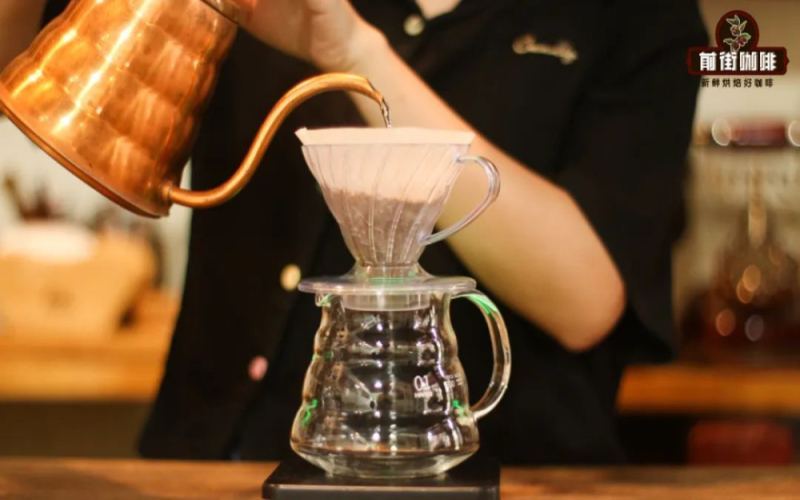
Is There a Particular Direction for Circular Pouring in Pour-Over Coffee? Analysis of Clockwise vs. Counterclockwise Experiments and Key Techniques
Among pour-over coffee pouring techniques, the size and speed of the circular pour are often discussed, but whether the direction of the circle affects extraction flavor has also become a question many enthusiasts are curious about. The spiral ribs of the V60 dripper are arranged clockwise, and some believe that pouring in the same direction can guide the water flow along the ribs and improve uniformity, while pouring counterclockwise may create turbulence by hitting the ribs and change the extraction result. To verify this claim, Front Street conducted a comparative experiment using the same parameters, changing only the pouring direction, and compared extraction time, concentration, and flavor performance one by one. This article will outline the experimental process and conclusions, and explain which pouring factors are truly worth paying attention to. [more…]

How to Get the Grind Size Right for Pour-Over Coffee? Front Street Coffee Baristas Share Extraction Standards and Brewing Techniques
When brewing pour-over coffee, grind size is often the key variable that determines the direction of flavor. Front Street Coffee frequently receives inquiries about how fine a grind should be used for a particular bean, but in reality, beans from different origins, varieties, processing methods, and roast levels each have their own suitable grind standards. Based on the practical experience of Front Street Coffee stores, this article explains the mechanism by which grind size affects extraction time and extraction yield, introduces the reference values for the passing rate of the No. 20 standard sieve, and explains the differential handling of medium-light roast and dark roast beans. At the same time, the article also discusses the concept of golden cup extraction and its true purpose, and finally uses Colombia Rose Valley as an example to provide complete brewing parameters and staged extraction techniques, helping enthusiasts brew good coffee that suits their own taste. [more…]
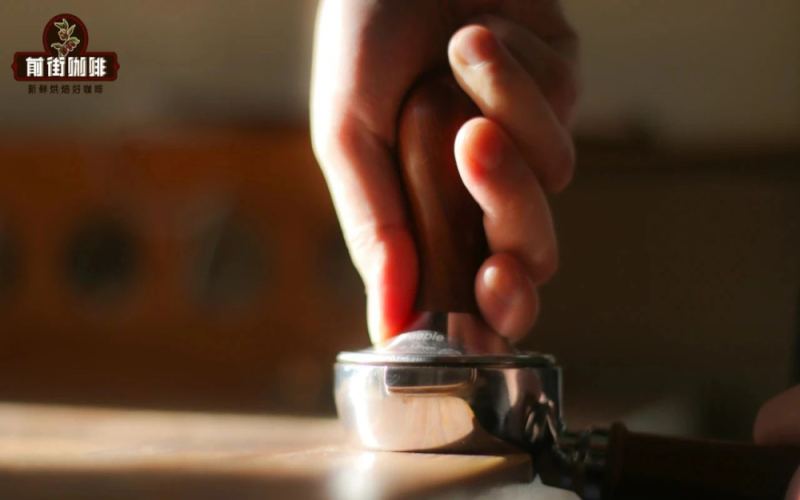
Espresso Tamping Techniques Explained: Pressure Control, Distribution vs. Tamping, and Impact on Extraction Stability
In the process of making espresso, tamping is one of the key steps that determines the success or failure of extraction. Tamping too lightly will cause the flow rate to be too fast and the flavor to be weak; tamping too heavily may make the coffee bitter and hard to swallow. In this article, Front Street Coffee will systematically explain the true purpose of tamping, the difference between distribution and tamping, the correct way to use a tamper, and the actual impact of tamping force on the extraction result. Through comparative experiments, we will guide you to understand the significant differences in flow rate and flavor between espresso extracted without tamping and with tamping, helping coffee lovers master more stable and more professional barista techniques. [more…]
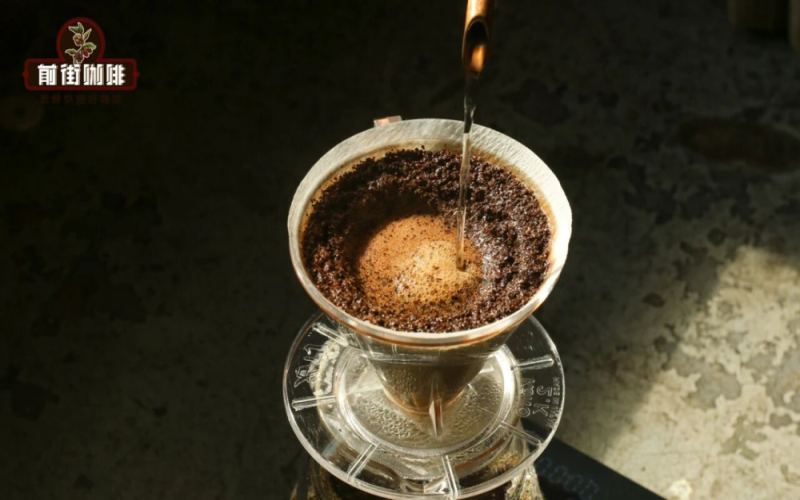
Iced Pour-Over Coffee Sweetness Extraction Techniques: Grind and Pour Adjustments Using Strawberry Candy Coffee Beans as an Example
Ice pour-over coffee often faces issues of under-extraction and weak sweetness due to a reduced coffee-to-water ratio and dilution from added ice. Starting from the principles of extraction, this article analyzes how to capture more sweet compounds in ice pour-over by adjusting grind size, the number of pouring stages, and the coffee-to-water ratio. Using Front Street Coffee's Costa Rica Strawberry Candy coffee beans as a demonstration, Front Street tested techniques such as finer grinding, increasing the number of pouring stages, and cooling over ice, ultimately achieving an iced coffee with a full-bodied flavor and clear dried-fruit sweetness. The article also explores the impact of flow rate on extraction and emphasizes that brewing recipes are not universal formulas, encouraging coffee enthusiasts to try diverse approaches. [more…]
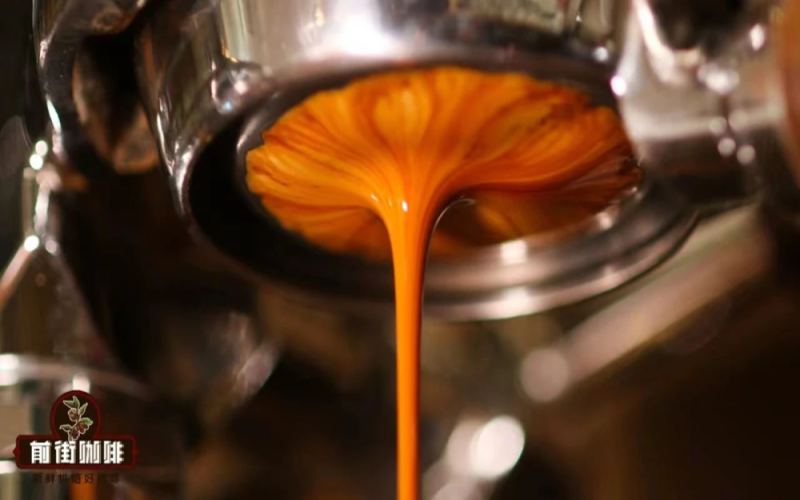
Analysis of the Causes of Espresso Channeling and Distribution and Tamping Techniques to Avoid Uneven Extraction and Burnt, Bitter Flavors
Espresso serves as the foundation of all Italian-style coffee, capable of amplifying a bean's strengths while exposing its flaws without reservation. Many baristas and enthusiasts are often troubled by negative flavors such as burnt bitterness and astringency, and these issues are frequently linked to channeling during the extraction process. Channeling occurs quite often and has a notably significant impact on the taste of espresso. From the perspective of Front Street, this article first discusses what kind of coffee beans are suitable for espresso, then explains what channeling actually is, and finally provides specific optimization techniques for distribution and tamping. As long as distribution and tamping are done solidly, making a satisfying and delicious espresso becomes much easier. [more…]
Analyzing the Causes of Espresso Channeling: Distribution and Tamping Techniques, and Solutions for Over-Extraction Bitterness and Astringency
Extracting a qualified espresso is the foundation for making all espresso-based coffee drinks. Espresso can multiply the strengths of coffee beans while also magnifying their flaws without reservation. In practice, the source of many flavor problems points to the same phenomenon—channeling. It doesn't occur rarely; once it happens, hot water concentrates through the puck along paths of lower resistance, creating a situation where localized over-extraction and localized under-extraction coexist, ultimately giving the coffee burnt, bitter, astringent, and other off-flavors. This article will explore several aspects including coffee bean selection, the definition and manifestations of channeling, and optimization techniques for distribution and tamping, to help coffee enthusiasts understand why channeling occurs and how to effectively avoid it in daily brewing, thereby consistently producing a delicious espresso. [more…]